
Puloon-Powered ATMs in Indiana: A Practical Upgrade for Cash Access and Consistent Earnings
- February 1, 2026
- admin
- 5:20 am
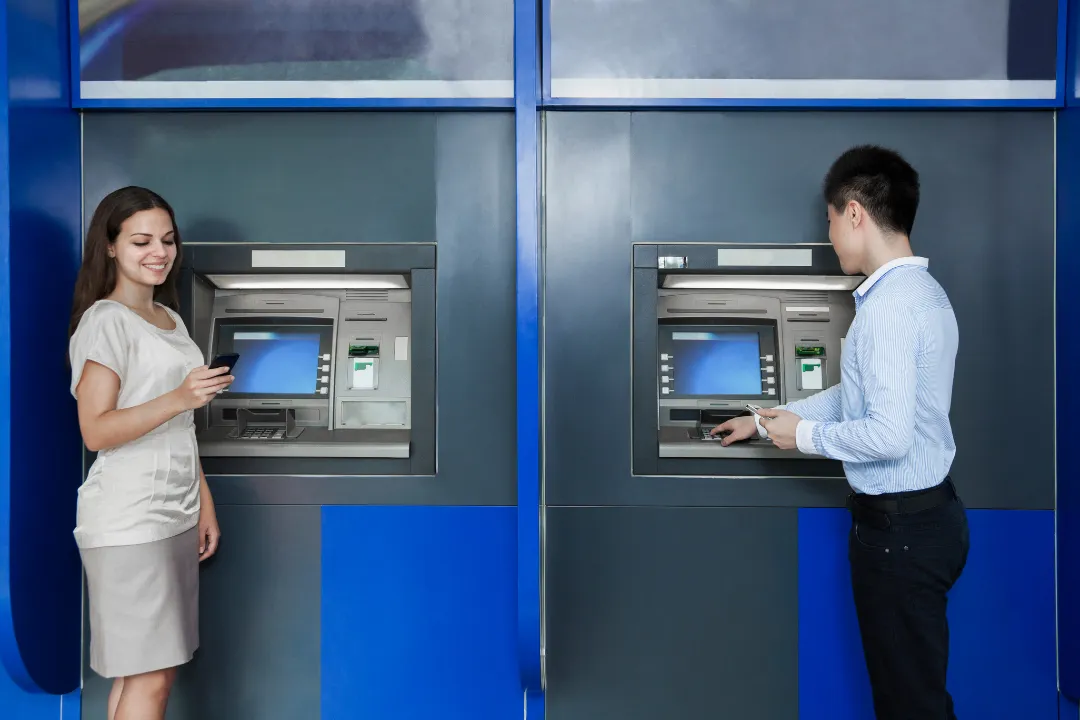
Indiana businesses run on speed, convenience, and repeat customers—especially in high-traffic areas like Indianapolis, Fort Wayne, Evansville, South Bend, Carmel, Fishers, Bloomington, and Lafayette. When customers need cash for tips, small purchases, cover charges, or cash-preferred services, an ATM on-site can prevent lost sales and keep spending inside your location. That only works if the machine performs reliably. Puloon-powered components (commonly used for cash dispensing mechanisms) are often chosen in ATM builds where consistent cash handling and stable operation matter. This guide explains how Puloon-powered ATMs can support Indiana business needs, what to look for in a dependable setup, and how to pair the right machine with services like processing, repairs, and (when eligible) free placement programs—without overpromising or using one-size-fits-all claims.
Why Indiana Locations Benefit From On-Site Cash Access
Indiana is a mix of commuter corridors, college towns, manufacturing hubs, and event-driven venues—each with its own cash-demand patterns. Downtown districts and busy intersections in Indianapolis can push high transaction volume during lunch rushes and weekends. University communities like Bloomington (IU) and West Lafayette (Purdue) often see spikes during home games, move-in weekends, and seasonal events. Tourist and leisure areas—think lakeside weekends, local festivals, and attractions—can create short bursts of cash demand when vendor booths, parking, and food stalls operate on cash or prefer it. When customers leave your store to find an ATM, you don’t just lose the ATM fee opportunity—you risk losing the entire purchase. A well-placed ATM reduces that leakage by keeping cash access where customers already are. The result is a smoother customer experience, fewer abandoned transactions, and stronger repeat visits because your location becomes the “easy choice.” The key is not just having an ATM—it’s having one that stays online, handles cash cleanly, and doesn’t become a constant maintenance problem.
Puloon-Powered ATMs: What “Better Reliability” Really Means
A lot of ATM marketing talks about “top technology,” but business owners care about specific outcomes: fewer errors, fewer service interruptions, and fewer customer complaints. Puloon is widely recognized for ATM cash dispensing mechanisms used in many machines, and the practical benefit of a strong dispensing system is consistency—accurate cash delivery, reduced misfeeds, and smoother operation under frequent use. That matters for Indiana businesses where usage can jump during peak windows (weekends, events, paydays, campus surges). Reliability isn’t a single feature; it’s a chain that includes the dispenser’s performance, the machine’s overall hardware condition, stable processing, and proper setup. A good ATM build also considers placement (visibility and accessibility), the environment (temperature, dust, foot traffic patterns), and routine operating habits (cash loading consistency, receipt paper, basic checks). If any one of these pieces is weak, the machine can still underperform—no matter the brand name on the components. That’s why Puloon-powered machines are best positioned as part of a complete “uptime strategy,” not a magic promise.
Choosing the Right ATM Option in Indiana: Buy, Lease, Rent, or Placement
The best setup depends on your business model and how predictable your foot traffic is. Buying an ATM can make sense for long-term control and ROI when your location has steady daily demand. Leasing an ATM is often attractive when you want lower upfront pressure while still building transaction-based earnings. Event ATM rental fits short-term crowds—festivals, tournaments, conventions, fairs, or multi-day gatherings—where cash demand spikes and you need convenience fast. Free ATM placement can be a strong option for qualifying Indiana locations, but it should be treated realistically: approval typically depends on factors like consistent traffic, operating hours, safe placement space, and expected transaction volume. “Free” also doesn’t mean unlimited—terms vary, site readiness matters, and low-usage locations may not qualify. A good provider helps you choose the option that matches real demand instead of pushing one default package. For Indiana, that often means aligning your plan to your city’s behavior—commuter-heavy areas, campus zones, downtown nightlife, and seasonal event traffic all behave differently.

ATM Processing in Indiana: The Part That Quietly Controls Profitability
Even the best machine can lose money if processing is unstable. Processing impacts approvals, timeouts, and how often customers see “try again” messages—which directly affects usage and revenue. In real terms, clean processing reduces failed transactions, improves customer confidence, and keeps your ATM earning consistently instead of only “sometimes.” Indiana businesses can see a measurable difference when processing issues are fixed quickly: fewer frustrated customers, fewer lost withdrawals, and better repeat usage because customers trust that your ATM works. Strong processing support also matters for reporting and reconciliation—knowing what happened, when it happened, and what needs attention. Monitoring options help catch patterns early: repeated declines, connectivity drops, or unusual error frequency. This is where a complete service stack matters. A reliable provider should be able to support the full lifecycle: setup, processing alignment, basic monitoring, and repair/service coordination when issues appear. Processing isn’t a “one-time setup” decision—it’s part of ongoing performance that protects the revenue you’re expecting from the ATM.
Repairs and Service: How to Avoid “Out of Order” Becoming Your Reputation
Downtime doesn’t just reduce ATM fees—it can damage customer trust. If your ATM frequently shows “out of service,” customers stop relying on it and may choose nearby alternatives. Common issues range from cash dispenser misfeeds and receipt printer failures to connectivity interruptions and wear-and-tear on keypads or card readers. A smart approach is preventive: choose a quality build, place the ATM properly, and keep a simple routine for checks and upkeep. But even with good habits, problems can happen—especially in higher-usage Indiana spots. The difference is response time and clarity. Businesses do best with repair support that gives quick diagnosis, practical next steps, and a clear path to either fix or replacement when fixing isn’t cost-effective. If you’re operating in busy areas like Indianapolis or event-heavy neighborhoods, faster resolution matters because lost transactions accumulate quickly. Your goal should be a service plan that prevents repeated failures and keeps the ATM consistently usable—not a cycle of temporary patches.
How to Get a Quote for a Puloon-Powered ATM Setup in Indiana
If you’re considering a Puloon-powered ATM in Indiana, the fastest path to a good recommendation is sharing accurate details upfront. Your quote should be based on reality: business type, city, hours, approximate traffic, whether you want to buy, lease, or rent for an event, and whether you’re exploring free placement eligibility. You’ll also want to mention the placement environment (indoors/outdoors, visibility from the counter, space available) and what matters most—uptime, speed, or maximizing transaction volume. A solid quote process should also clarify what’s included: processing support, service options, and what terms apply if you’re requesting placement. The best results come from matching the machine and plan to your customer behavior—downtown foot traffic is different from campus surges, and both are different from highway-adjacent convenience locations. If you want help selecting the right path, request a quote and ask for the option that fits your Indiana location—Buy/Sell guidance, Lease, Event Rental, Free Placement qualification, Repairs/Service, ATM Processing, and Credit Card Processing—so your setup is built to earn consistently, not just look good on day one.