
Why an On-Site ATM Increases Impulse Buying in Indiana Small Businesses
- February 1, 2026
- admin
- 2:40 pm
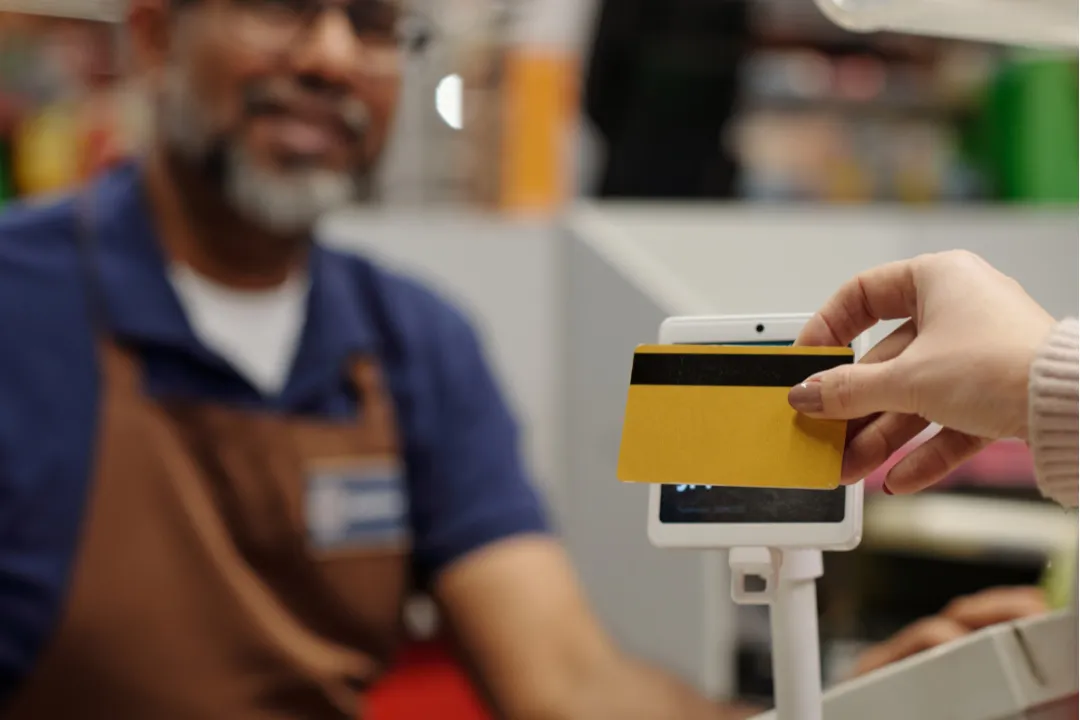
Impulse buying is rarely “random.” Most spontaneous purchases happen when the customer can pay quickly, feels comfortable spending, and doesn’t have to leave to solve a payment problem. That’s why an on-site ATM can quietly increase sales for Indiana small businesses—especially in settings where cash is still commonly used for tips, quick buys, cover charges, and small-ticket items. From downtown Indianapolis bars to convenience stores near commuter routes, from Fort Wayne restaurants to event-driven weekends in Evansville and South Bend, cash demand is often tied to real moments: “I’ll grab one more,” “I’ll tip a little extra,” or “I’ll buy it if I can withdraw.” When your business provides immediate cash access, customers are more likely to complete the purchase now rather than “later.” This post breaks down how ATMs influence impulse buying behavior, which Indiana business types benefit most, and how to set up the right ATM plan (buy, lease, placement for qualifying locations, or event rental) without overpromising results.
Impulse buying is rarely “random.” Most spontaneous purchases happen when the customer can pay quickly, feels comfortable spending, and doesn’t have to leave to solve a payment problem. That’s why an on-site ATM can quietly increase sales for Indiana small businesses—especially in settings where cash is still commonly used for tips, quick buys, cover charges, and small-ticket items. From downtown Indianapolis bars to convenience stores near commuter routes, from Fort Wayne restaurants to event-driven weekends in Evansville and South Bend, cash demand is often tied to real moments: “I’ll grab one more,” “I’ll tip a little extra,” or “I’ll buy it if I can withdraw.” When your business provides immediate cash access, customers are more likely to complete the purchase now rather than “later.” This post breaks down how ATMs influence impulse buying behavior, which Indiana business types benefit most, and how to set up the right ATM plan (buy, lease, placement for qualifying locations, or event rental) without overpromising results.
1) ATMs Remove the Biggest Impulse Killer: Leaving the Store
Impulse purchases are fragile. The moment a customer has to leave your location to find cash, you lose the emotional momentum that drives spontaneous buying. In Indiana, that’s a common pattern—customers may stop in quickly at a convenience store, bar, restaurant, or local shop and realize they want something extra, but they’re short on cash or prefer to pay with cash. Without an on-site ATM, they either reduce their purchase, skip the add-on, or leave to find an ATM somewhere else. The problem is that “somewhere else” is often a competitor—another gas station, another shop, another venue—where the customer might spend instead of returning. An ATM keeps the customer on-site and makes the decision easy: withdraw, buy, done. This is especially powerful in high-choice areas like Indianapolis where alternatives are everywhere, and in busy districts around Fort Wayne, South Bend, and Evansville where customers are already moving between locations. By keeping cash access inside your business, you protect the impulse moment and convert it into revenue.
2) Cash Creates a Faster “Yes” for Small Add-Ons (Tips, Snacks, Extras)
Impulse buying often shows up as “small extras”—the additional snack, the extra drink, the upgraded item, the add-on service, or a bigger tip. Cash tends to make those decisions feel simpler because it removes friction at checkout. For Indiana small businesses, this is particularly relevant in bars and restaurants (tips and second purchases), convenience stores (quick add-ons at the counter), salons and service businesses (extra service add-ons or tips), and event-adjacent venues (food, merch, parking, entry extras). A customer who can withdraw cash on-site is more likely to spend freely in the moment because they’re not mentally juggling card limits, app transfers, or “I’ll get it later.” In college-influenced areas like Bloomington and West Lafayette, cash access can also support quick purchases during peak social and event times. This doesn’t mean an ATM forces people to buy—but it reduces the barriers that stop people from saying yes. The ATM acts like a convenience tool that increases the number of “easy decisions” a customer can make inside your business.

3) ATMs Increase Time-on-Site and Repeat Visits—Both Fuel Impulse Sales
Impulse purchases increase when customers stay longer and return more often. An ATM can contribute to both by making your location a “utility stop” as well as a shopping stop. If customers know your business has a reliable ATM, they may choose you first—especially when they’re heading to an event, going out for the night, or planning a cash-heavy day. That increased foot traffic creates more opportunities for spontaneous buying because more people pass your displays, your counter items, and your promotions. This can matter in Indiana communities where people make repeat stops—gas stations near commuter routes, convenience stores in suburban hubs like Carmel and Fishers, and bars/restaurants in nightlife zones. Over time, a dependable ATM becomes part of your reputation: “That place has an ATM that works.” Reliability is the key factor. If the ATM is often down, it does the opposite—it trains people to stop trying and reduces both trust and usage. That’s why ATM service and processing support matter: uptime keeps the ATM useful, and usefulness drives both repeat visits and impulse opportunities.
4) Event Weekends in Indiana Create Impulse Spikes—ATMs Help You Capture Them
Indiana has plenty of event-driven traffic: sports weekends, local festivals, fairs, concerts, conventions, and seasonal gatherings. During these periods, people spend more impulsively because they’re already in “experience mode”—buying food, merch, drinks, parking, and extras. But event crowds also expose a weakness: card networks can slow down, lines get longer, and vendors often prefer cash for speed. This is where an ATM is a strategic advantage. If your business is near a venue or participates in local events, an on-site ATM can keep the flow moving and help you capture purchases that would otherwise be delayed or skipped. For larger gatherings or multi-day setups, event ATM rental may be a better fit than permanent placement—because you’re matching the ATM solution to the real demand window. Whether you’re in Indianapolis with major city events or in Fort Wayne/Evansville/South Bend with strong regional activity, the principle is the same: when cash access is easy, impulse sales are easier to capture.
5) The “Impulse Buying” Strategy Only Works If the ATM Performs Reliably
An ATM helps impulse buying only when it’s dependable. If the machine is slow, declines transactions, runs out of cash, or frequently shows “out of order,” customers don’t just lose the impulse—they lose trust in your business experience. That’s why the best-performing Indiana ATM setups include more than installation. They include stable ATM processing (to reduce timeouts and declines), sensible placement (visible, safe, and easy to access), and service support for maintenance and repairs. If you’re serious about using an ATM to increase on-site spending, treat it like a system: the machine, the processing, the upkeep, and the response plan when something changes. You also need a realistic plan choice: buy for long-term control, lease for lower upfront pressure, free placement when your location qualifies (traffic, hours, safety, volume), or event rental when demand is temporary. When these pieces are aligned, the ATM becomes a quiet revenue booster—not by forcing spending, but by making spending easy.